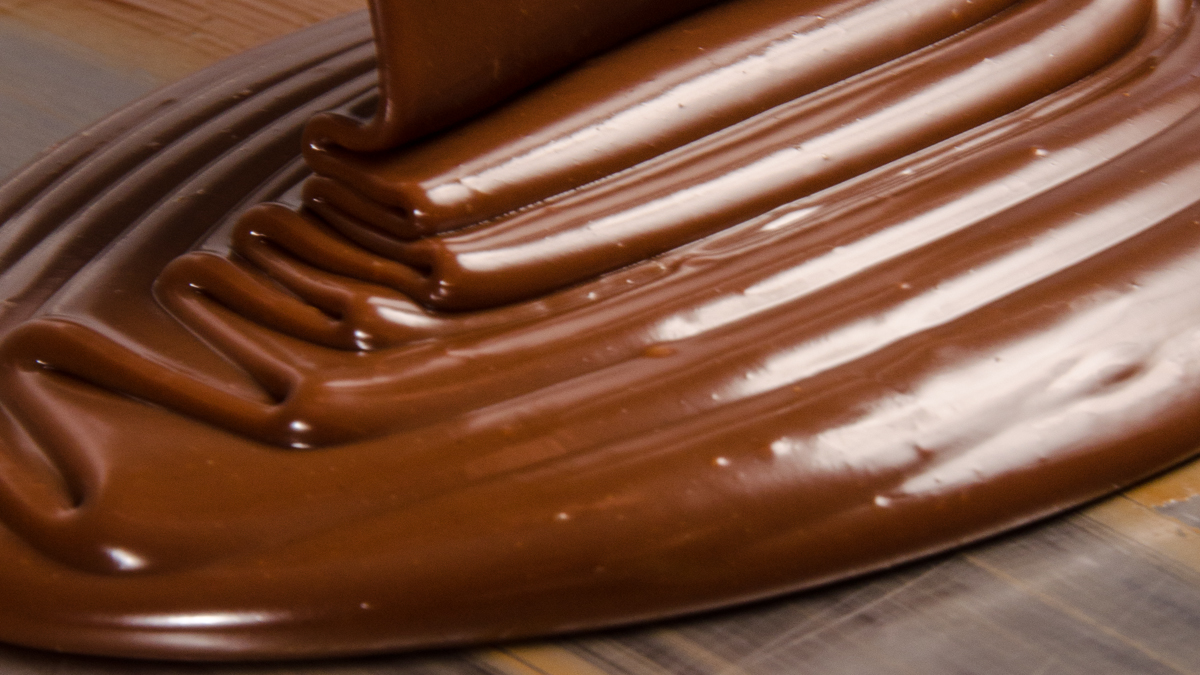
Simple Ganache
The cornerstone of chocolate pastry: truffles, fillings, glazes.
Made with Apamate 73.5%
El Rey Recipe Book
A curated collection of recipes designed to unlock the potential of each origin. Inspired by the book “Venezuela’s Brown Gold” and refined in our kitchen: Venezuelan classics, pastry techniques and drinks to share.
The full collection
Each recipe highlights the profile of a different origin. Tap any card to open the full recipe, share it or print it.
The cornerstone of chocolate pastry: truffles, fillings, glazes.
Made with Apamate 73.5%
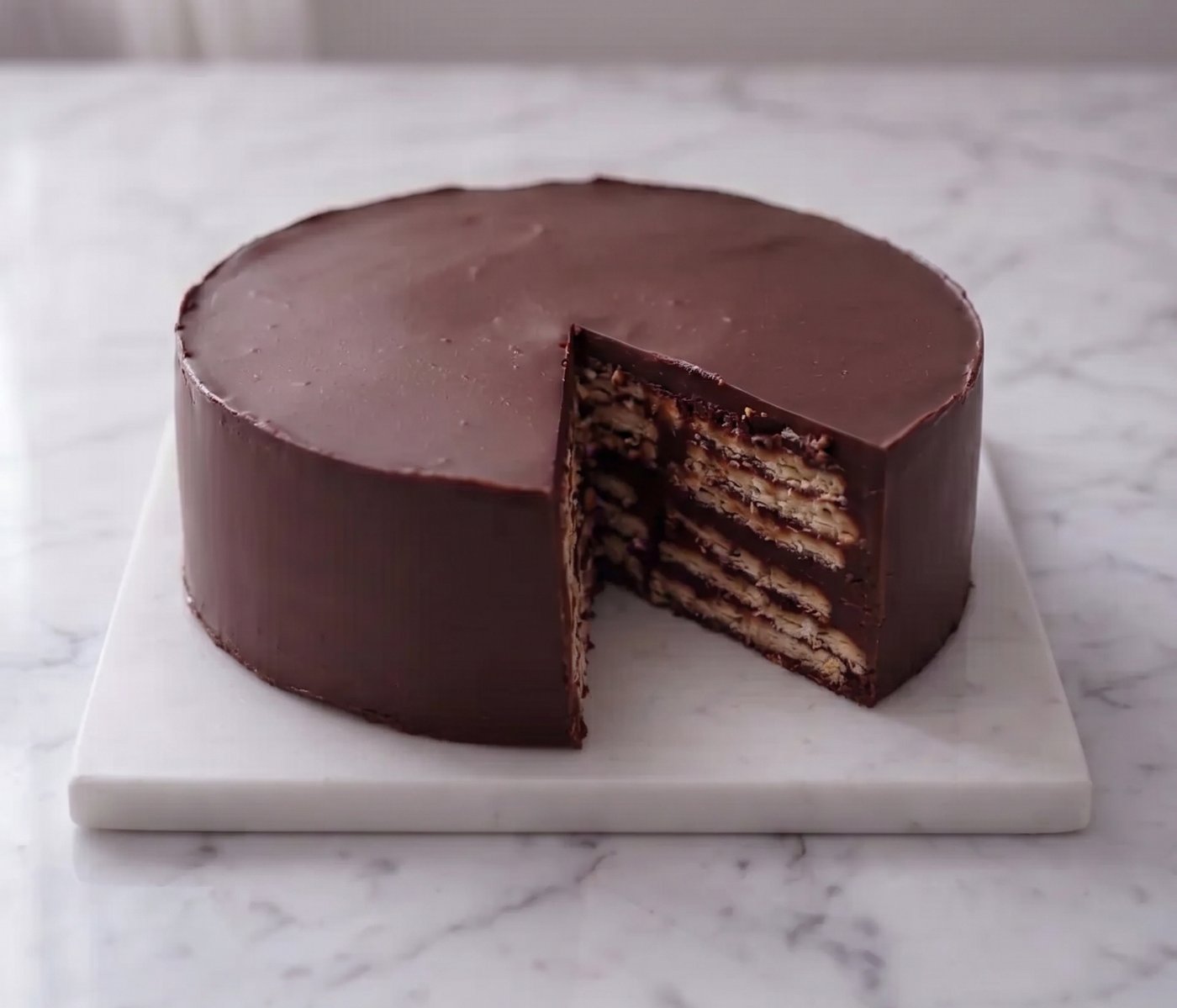
The Venezuelan cold dessert par excellence — silky and deep.
Made with Bucare 58.5%
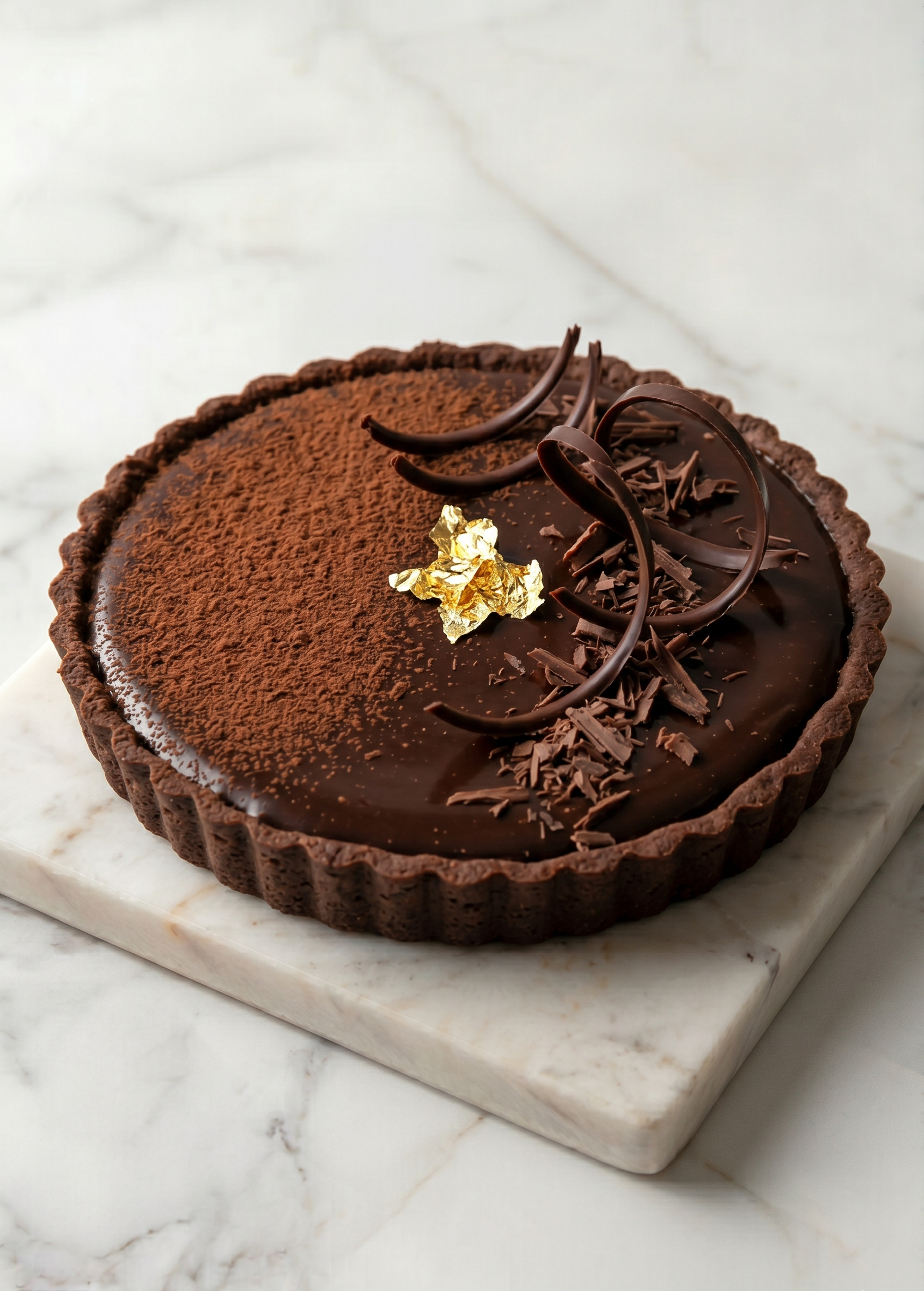
A cacao sablé base topped with a glossy ganache and sea salt.
Made with Gran Samán 70%
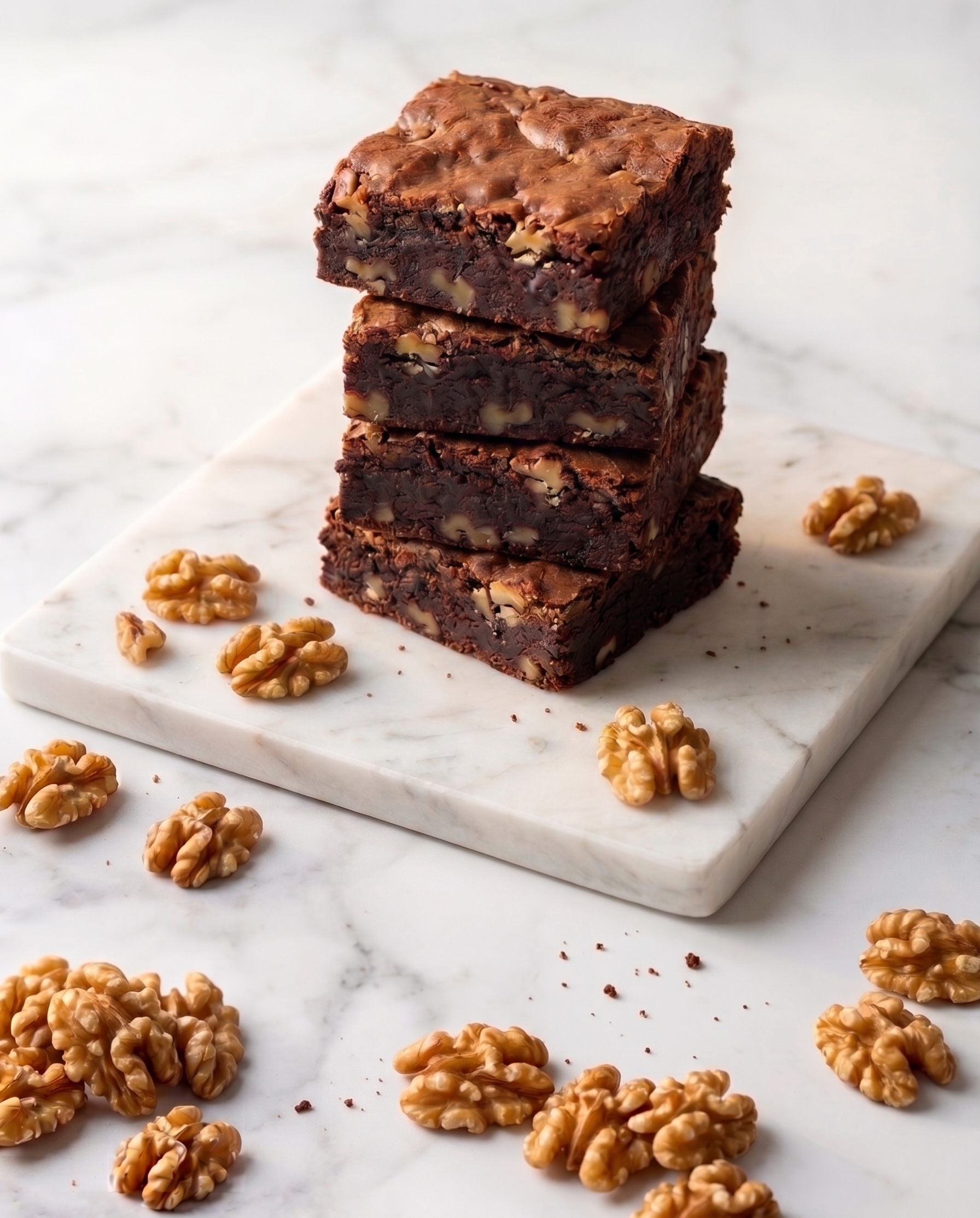
Dense, fudgy in the center, with a crisp edge.
Made with Bucare 58.5%
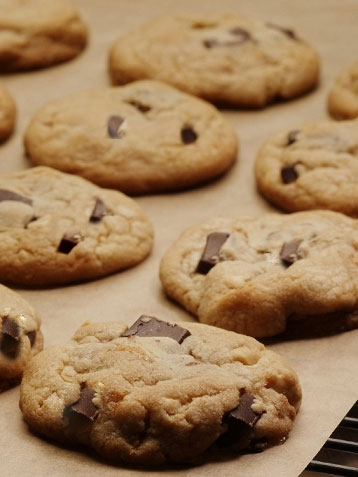
The classic, perfected with generous chunks.
Made with Mijao 61%
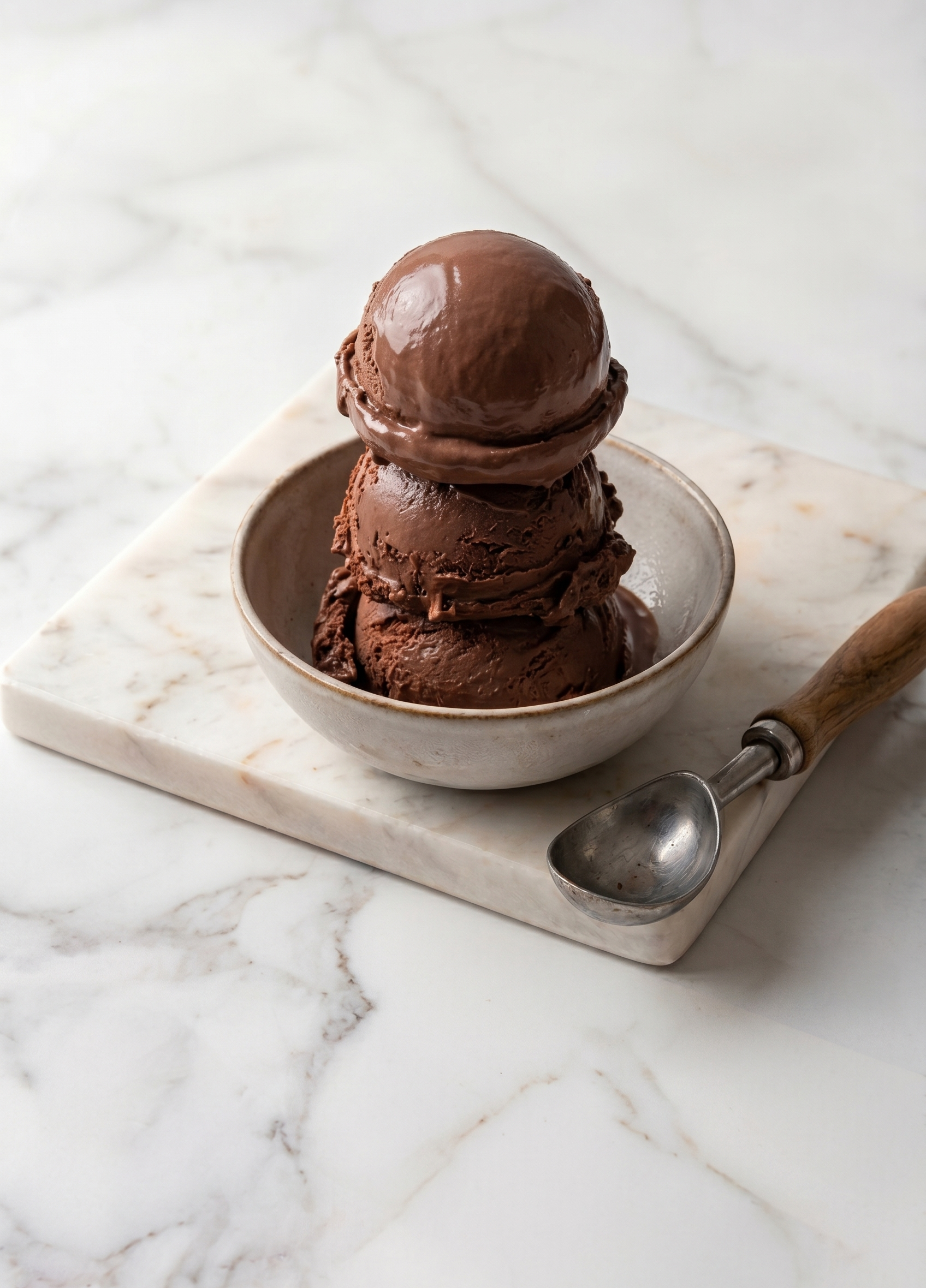
Silky texture and deep cacao flavor, made for professionals.
Made with Bucare 58.5%
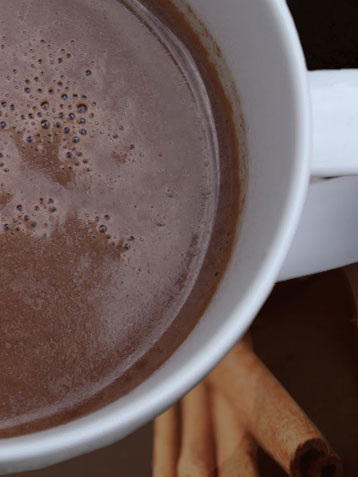
A traditional drink from the Venezuelan Andes. Pure nostalgia.
Made with Bucare 58.5%
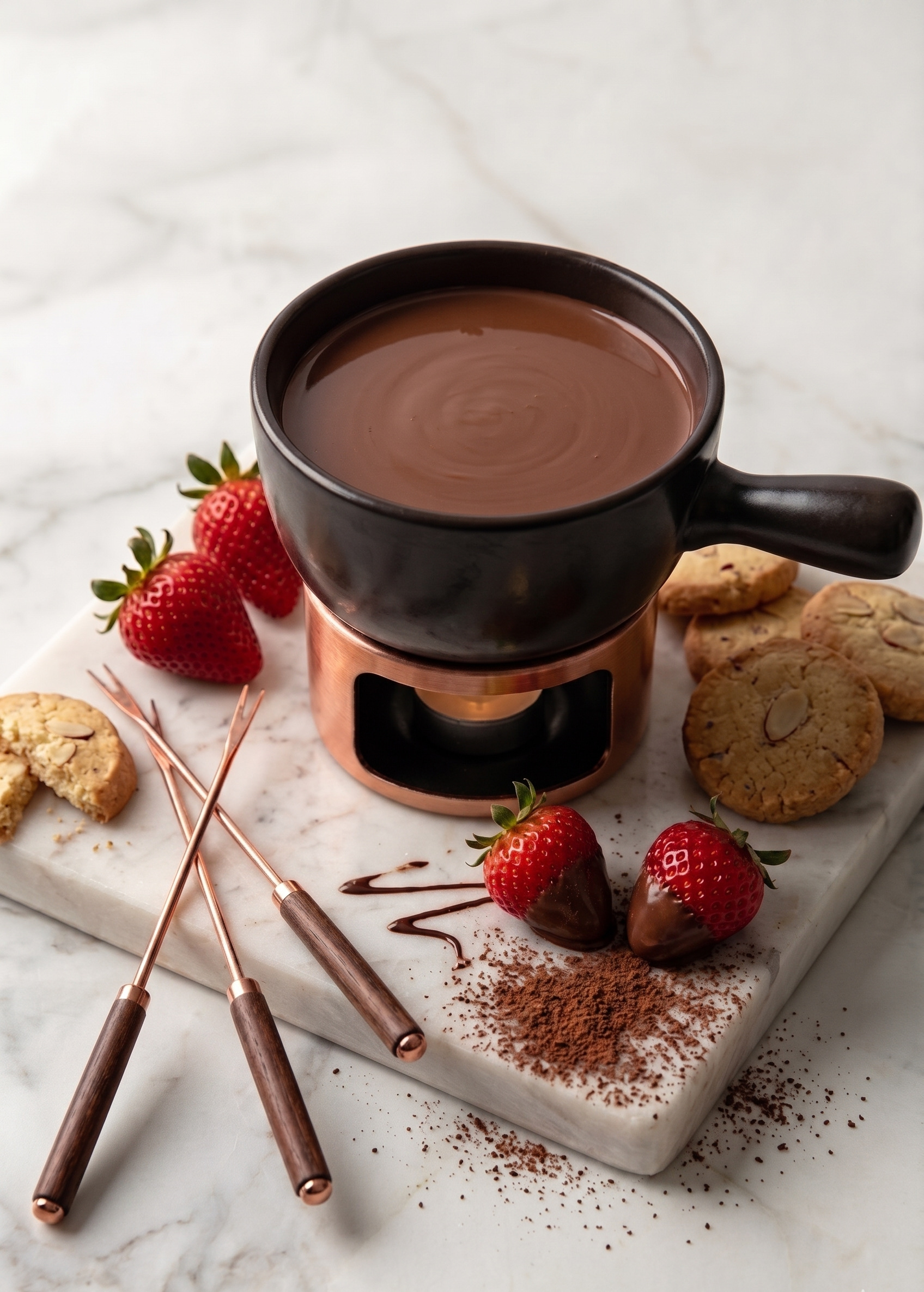
For sharing: fruits, sponge cake and marshmallows dipped in chocolate.
Made with Caoba 41%
Good craft
For bonbons and molded pieces, temper correctly: melt to 45–50°C, cool to 27°C and bring back up to 31–32°C. Good tempering shows in the shine and the snap.
You can swap one origin for another as long as you respect the cocoa percentage. The profiles will change — that’s the point — but the recipe will stay balanced.
Keep chocolate between 18–21°C, away from odors and humidity. Do not refrigerate: it causes fat bloom and loss of aroma.
To taste: let it melt in the mouth without chewing; pay attention to the attack, the middle and the finish. Apamate is bright and floral; Mijao is fruity; Gran Samán is enveloping and persistent.